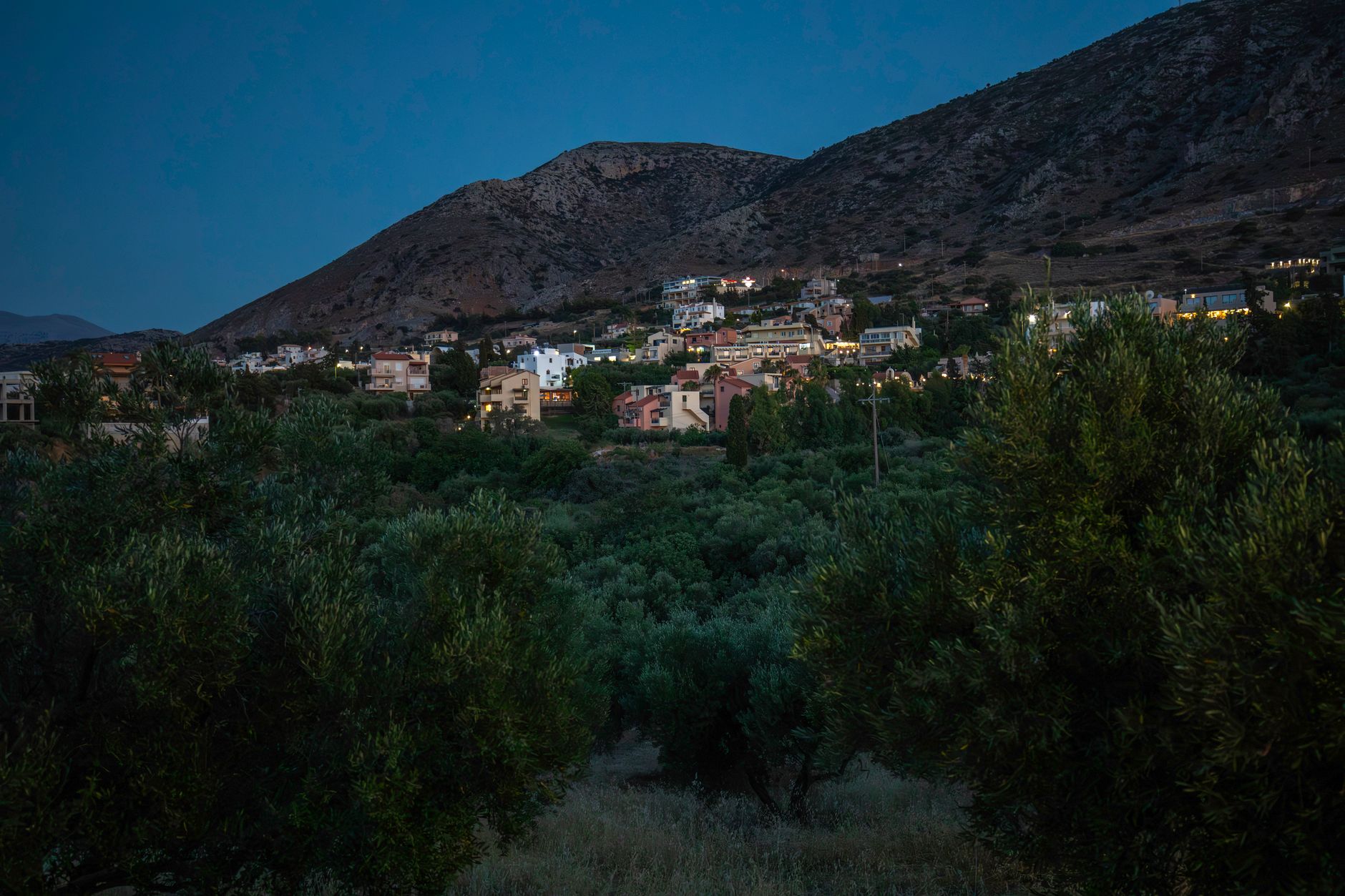
The Mediterranean heat at midday is uncompromising, baking the chalky earth until wild sage and savory release essential oils into the dry sea breeze.
We walk alongside Kostas, an eighty-two-year-old beekeeper and olive tender whose hands are weathered to the color of almond bark. For Kostas, the scrubland—often dismissed by developers as barren—is an open apothecary.
1. The Taxonomy of Horta
In Greece, the gathering of wild greens—known collectively as horta—is an art form passed through maternal lineages. Depending on the month and altitude, a forager seeks dandelion, chicory, sow thistle, and wild mustard. Each plant carries a specific degree of bitterness, demanding different treatments in the kitchen.
Boiled gently with spring water, doused in freshly pressed unrefined olive oil and squeezed lemons picked directly from the courtyard tree, these wild leaves deliver an intense, grounding nourishment that no cultivated supermarket produce can replicate.
2. Olive Oil as Culture, Not Condiment
In the small village of Kardamyli, olive harvesting remains communal. The Koroneiki olives are collected in burlap sacks and pressed within twelve hours of leaving the branch. The resulting nectar is cloudy, vibrant green, and stings the back of the throat with peppery antioxidants.
To taste olive oil in this context is to understand that Mediterranean gastronomy is built on radical simplicity: sun, stone, brine, and patience.